

2026.03.10
The kitchen is one of the most important areas of a home, and the tools and utensils that are used continuously can play a key role in maintaining the health of family members. Therefore, it is essential to select these tools carefully and ensure their hygiene is consistently monitored. Neglecting some simple but important precautions can turn these items into sources of contamination and pose a threat to the health of household members. This article identifies the most common sources of contamination in the kitchen and provides practical strategies to reduce these risks.
- Dishwashing Sponges
One of the most frequently used items in the kitchen, often overlooked in terms of hygiene, is the dishwashing sponge. Due to their porous structure, sponges are prone to trapping and holding tiny food particles. In addition, their constant moisture creates a favorable environment for the growth of microorganisms, which can accumulate, multiply, and gradually increase over time. Prolonged use of a sponge can lead to the transfer of these contaminants to dishes and ultimately to food, posing a health risk to family members.
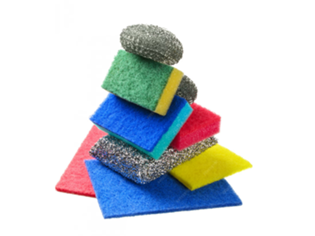
To prevent these risks, dishwashing sponges should be replaced every month. Additionally, it is recommended to clean and disinfect the sponge thoroughly during its use. A simple and accessible method for disinfection is soaking the sponge in white vinegar for 10–15 minutes, followed by rinsing under running water. The acidic properties of vinegar can deactivate a significant portion of microorganisms and noticeably improve the sponge's hygiene.
- Tea Bags
Due to daily time constraints, many people use tea bags instead of brewing loose-leaf tea. While convenient, studies show that tea bags may contain chemical compounds harmful to human health.
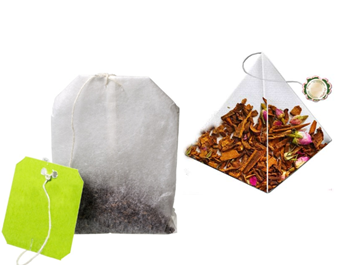
Plastic tea bags are typically made from polyethylene (PET) or polypropylene (PP), which can release harmful chemicals, such as antimony and microplastic particles, at elevated temperatures (around 40°C). Paper tea bags often contain plastic fibers and chemicals like epichlorohydrin to resist heat, water, and tearing. Considering that tea is usually brewed at approximately 95°C, these chemicals can leach into the tea. It is estimated that one cup of tea made with a plastic tea bag releases roughly 14 billion plastic particles (11.6 billion microplastics and 3.1 billion nanoplastics). Frequent consumption of tea bags can result in a continuous intake of billions of plastic particles.
These particles are small enough to enter cells once inside the body. Exposure can cause various health issues, including intestinal inflammation, impaired nutrient absorption, malnutrition, and disruption of gut microbiota, potentially affecting long-term immune function. Some tea bags also contain tea dust or fannings rather than whole leaves, which generally provide lower quality and taste.
For both flavor and health, traditional loose-leaf tea brewed in a teapot is a better choice, offering richer taste and eliminating the risk of microplastic ingestion. When time is limited, tea bags made from plant fibers without plastic (labeled as “plastic-free”) are a safer alternative, while plastic tea bags pose potential health risks due to microplastic release.
- Plastic Water Bottles
Plastic bottled water may appear harmless at first, but many people reuse bottles after drinking, and some even store other liquids, such as lemon juice or verjuice, in them.
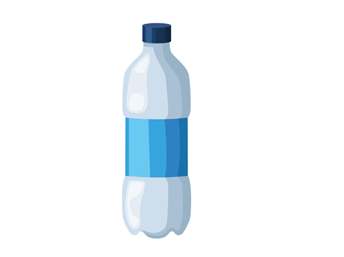
These bottles are typically made from polyethylene terephthalate (PET) and are designed for single use. Reusing them, especially under sunlight, heat, or with acidic liquids, can lead to the release of harmful chemicals, including antimony—a heavy metal used in their production. Microplastics can also leach from the bottle’s walls due to wear or heat. Exposure to these substances is associated with hormonal disruption, reproductive harm, increased cancer risk, and liver and kidney damage.
It is therefore recommended to use plastic water bottles only once and avoid refilling them or using them to store other liquids.
- Plastic Food Containers
Plastic containers are common in households due to their light weight, affordability, and convenience. However, improper use can pose health risks.
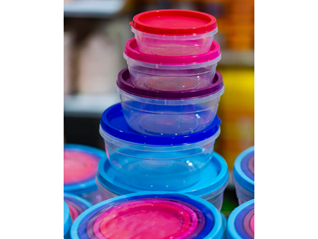
A major concern is heating food in plastic containers in the microwave, which can release chemicals into the food. Fatty or acidic foods (like oily or sour dishes) can accelerate this migration. The type of chemicals released depends on the plastic type (recycling code on the container). These chemicals may cause hormonal disruptions, infertility, diabetes, and even cancer.
Safety tips for using plastic containers:
- Avoid storing hot, fatty, or acidic foods in plastic containers.
- Discard old, scratched, or discolored containers as they are more likely to release harmful chemicals.
- Prefer glass containers for microwave heating. If plastic use is unavoidable, choose containers labeled with recycling code 5 (polypropylene, PP), as they are more heat-resistant.
- Black Plastic Kitchen Utensils
Many kitchens contain black plastic utensils like spatulas, spoons, and ladles. These often contain flame retardants or are made from recycled electronics (e.g., televisions, radios).
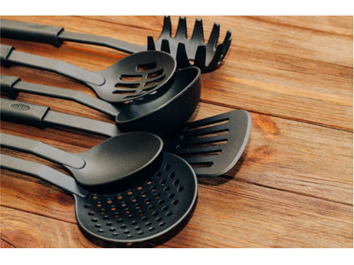
Flame retardants may include chlorine, phosphorus, nitrogen, bromine, and other elements. Activities like scraping hot pans or stirring food in hot oil can release these chemicals into food, potentially affecting reproductive, nervous, and immune systems and being linked to thyroid disease and cancer.
Due to these health risks, it is recommended to avoid black plastic utensils and instead use wooden alternatives.
- Teflon Cookware
Teflon, or polytetrafluoroethylene (PTFE), is a common non-stick coating used in pans and pots due to its non-stick properties, chemical resistance, and reduced need for oil. However, safety concerns regarding PTFE have been widely examined in recent years.
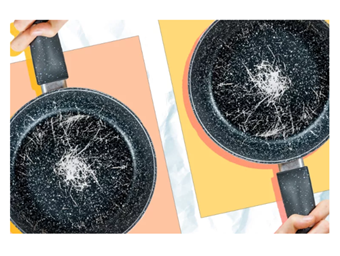
Non-stick cookware, including air fryers, prevents food from sticking and makes cooking and cleaning easier. They are typically made of aluminum or stainless steel coated with PTFE. Scratched or peeling non-stick surfaces can release micro and nano plastic particles into food.
Recommendations:
- Avoid metal utensils on non-stick surfaces.
- Replace cookware if the coating is peeling.
- Do not scrub with abrasive pads.
- Do not preheat empty cookware; ensure food is inside to prevent toxic fumes.
- Cook at low to medium heat and avoid high-temperature frying or roasting that exceeds 300°C.
- Cutting Boards
Kitchen cutting boards develop scratches over time, which can harbor microbes and bacteria that regular washing cannot remove. This contamination can threaten food safety and cause foodborne illnesses.
After use, cutting boards should be washed with hot water and dish soap using a soft brush, then sprayed with vinegar for disinfection. Boards with deep scratches should be replaced.
Plastic cutting boards can also release microplastic particles when repeatedly cut with knives.
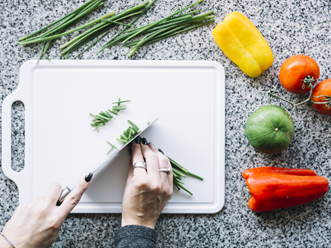
These particles, invisible to the naked eye, can enter food and subsequently the human body, causing cellular inflammation, DNA damage, and gene function disruption.