

2026.03.10

Mycotoxins
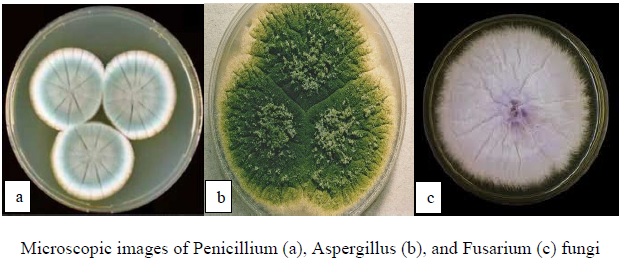
Mycotoxins, or fungal toxins, are organic compounds produced at the end of the growth phase of certain species of Fusarium spp., Aspergillus spp. and Penicillium sp. under warm and humid conditions. Among the approximately 400 known types of mycotoxins, about 20 are considered a global threat to human and animal health. It is estimated that more than 25% of agricultural products worldwide are contaminated with mycotoxins, with the main products including cereals, nuts, coffee, cocoa, spices and oilseeds.
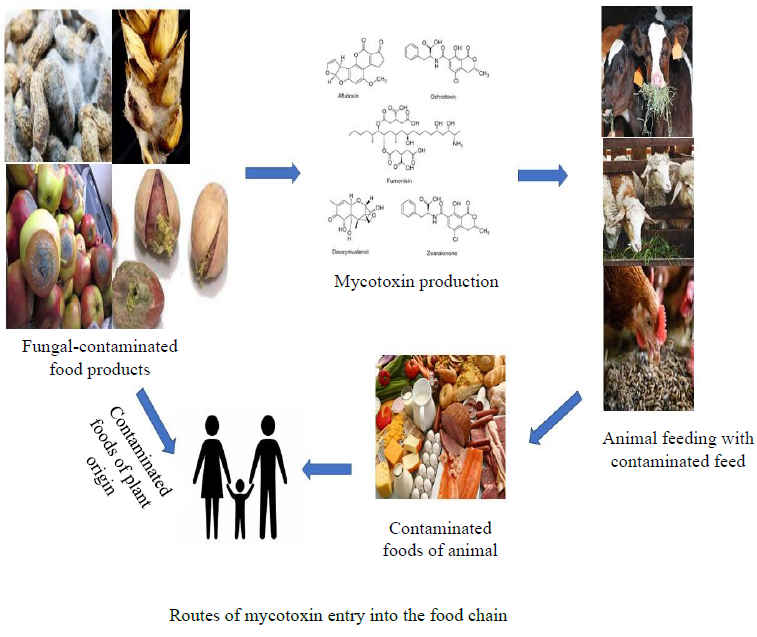
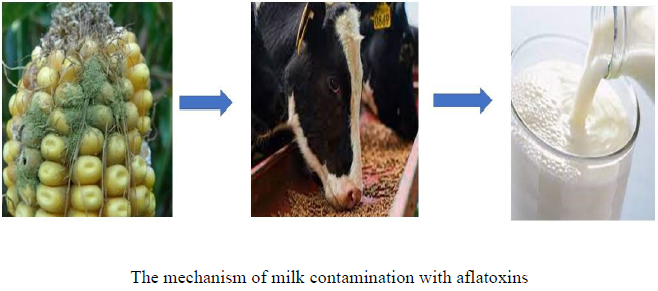
In addition to pre-harvest contamination, if storage and transportation conditions are improper, post-harvest contamination of agricultural products with mycotoxins is also possible. Beyond the contamination of agricultural products, if animal feed is contaminated with mycotoxins, it can lead to contamination of milk and in some cases, eggs and meat as well.
Since reducing the levels of mycotoxins during food processing is almost impossible, these toxins remain in the food and enter the human body through consumption. Mycotoxins are mainly hydrocarbons and due to their low molecular weight, they generally do not act as antigens and do not stimulate the host immune system. Furthermore, the degradation of mycotoxins in the gastrointestinal tract is minimal, allowing the toxin to enter the bloodstream, accumulate in tissues and organs and threaten human health.
Although humans are primarily exposed to mycotoxins through dietary intake, exposure can also occur through skin contact and inhalation. Researchers believe that consuming green vegetables containing chlorophyll (the green pigment) is an effective method to reduce the risk of liver cancer caused by mycotoxin intake, as chlorophyll reduces the binding of carcinogenic agents to the DNA strands in the liver. The risk of liver cancer is higher in individuals with hepatitis B and C who consume foods contaminated with mycotoxins.
Major Mycotoxins
Aflatoxins
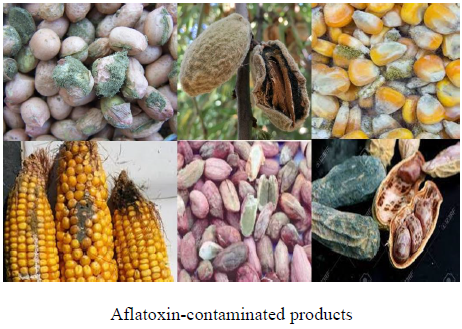
Aflatoxin is a toxin produced by certain species of Aspergillus fungi, which can contaminate agricultural products both before and after harvest and is considered one of the most important mycotoxins. Nuts, oilseeds, cereals and dried fruits are susceptible to aflatoxins under inappropriate environmental and storage conditions.
The Iranian National Standard has set the maximum permissible limits for total aflatoxins (B1 + B2 + G1 + G2) in µg/kg (micrograms per kilogram) or ppb (parts per billion, meaning the number of units of a contaminant per 1,000,000,000 units of total mass) as follows:
- For nuts (pistachios, almonds, hazelnuts, walnuts and peanuts): 10 ppb
- For various dried figs and raisins, different fruit leathers and seeds (pumpkin, sunflower, etc.) and oilseeds (soybean, sesame, etc.): 15 ppb
The maximum permissible limit of aflatoxin M1 in milk and dairy products is:
- 0.025 ppb for infants
- 0.1 ppb for adults
Infants have a lower capacity for the biological transfer of carcinogenic substances compared to adults. Additionally, the presence of aflatoxins in breast milk can cause growth retardation and jaundice in infants.
In Iran, in traditional livestock farming, feeding animals with moldy fodder or dry bread introduces toxins into the animals’ bodies, which, in addition to adverse effects on the animals themselves, also pose a threat to human health. Aflatoxins are heat-resistant and are not eliminated during milk pasteurization; they remain active in dairy products such as cheese and yogurt.
Aflatoxins cause damage to the liver, kidneys, heart and blood vessels and the nervous system and are associated with carcinogenicity (liver cancer) and mutagenicity, increasing the likelihood of genetic disorders (congenital malformations).
Ochratoxins
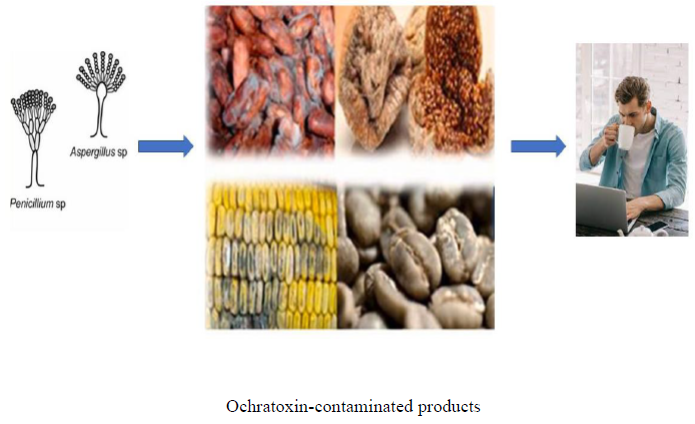
Ochratoxin is one of the mycotoxins produced by some species of Aspergillus and Penicillium fungi, which is found in cereals, legumes, spices, coffee, raisins, dried figs and grape juice.
Amounts exceeding the maximum permissible limits, as set by the Iranian National Standard 5 ppb for wheat and rice, 10 ppb for various dried figs, raisins, instant coffee and grape juice, 20 ppb for legumes and 50 ppb for corn and barley cause mutagenicity, carcinogenicity, suppression of the immune system and adverse effects on the kidneys in humans.
Zearalenone
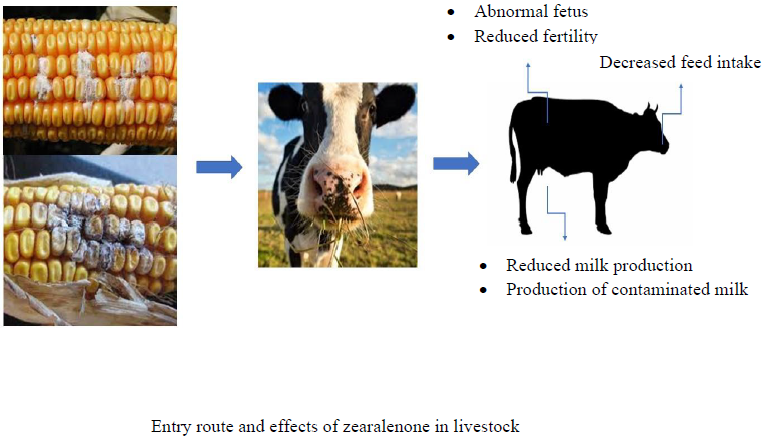
Zearalenone is produced by several species of Fusarium fungi and is found in cereals such as corn, barley, wheat, oats and sorghum. After consumption of contaminated food by mammals (rabbits, rats, humans and livestock), zearalenone is rapidly absorbed and, by binding to estrogen receptors, disrupts reproductive hormone levels, causing infertility, reduced feed intake, decreased milk production, abnormal fetuses, breast cancer and suppression of the immune system.
The maximum permissible limit of this toxin, according to the Iranian Standard, is 200 ppb in cereals and 20 ppb in cereal-containing infant food.
Deoxynivalenol
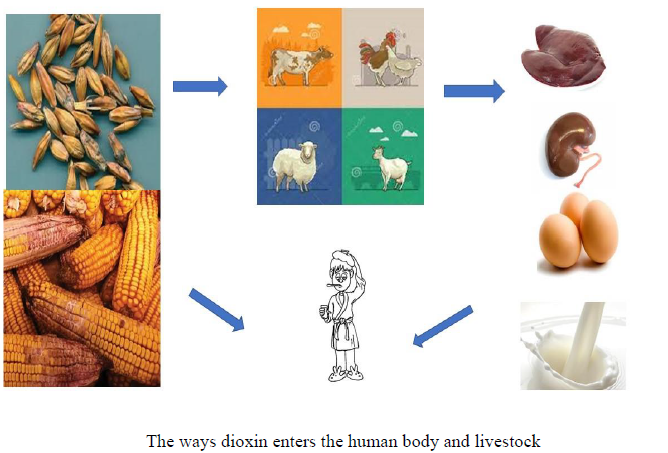
Deoxynivalenol is produced by some species of Fusarium fungi and is found in corn, wheat, oats, barley and other cereals in the fields or during storage. Humans are exposed to this mycotoxin directly through cereals and indirectly through animal-derived foods (liver, kidneys, eggs and milk).
These toxins cause skin itching and, by irritating the intestinal mucosa, lead to nausea, diarrhea, vomiting, headache, dizziness and fever. According to the Iranian Standard, the maximum permissible limit is 1000 ppb for cereals and 200 ppb for children’s food.
Patulin
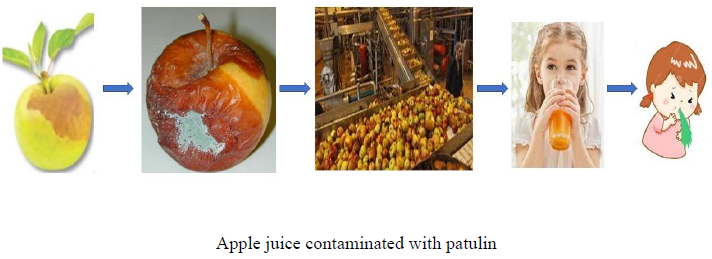
Patulin is produced by some species of Penicillium fungi and is found in food products based on vegetables and fruits such as grapes and pears, especially apples and apple-derived products, such as concentrated apple juice. Due to its heat stability, it is not eliminated during the juice pasteurization process.
According to the Iranian Standard, the maximum permissible limit of patulin in apple juice is 50 ppb for adults and 10 ppb for children. Notably, the level of this toxin in apples, apple concentrate, apple puree and apple jam decreases in that order.
Patulin causes nausea, digestive disorders, vomiting, ulcers, bleeding and inflammation of the stomach and damage to the liver, kidneys, immune system and nervous system.
Fumonisins
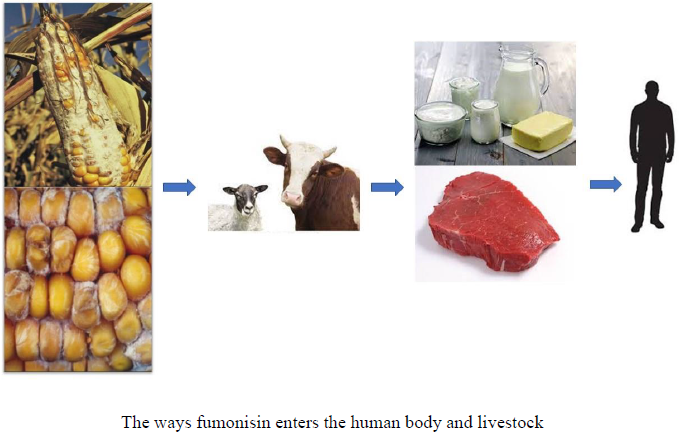
Fumonisins are produced by some species of Fusarium fungi and are found in corn, milk, dairy products, meat and meat products. Fumonisins may be detected in the urine of infants and therefore, their presence in breast milk is also possible. These toxins have significant harmful effects on the health of livestock and other animals and may cause cancer (esophagus) and congenital defects in humans.
According to the Iranian Standard, the maximum permissible limit of fumonisins is 1000 ppb in corn and its products and 200 ppb in infant food.
Methods for Measuring Mycotoxins in Laboratories:
- ELISA (Enzyme-Linked Immunosorbent Assay)
- High-Performance Liquid Chromatography (HPLC) with Fluorescence (FLD) and Ultraviolet (UV) detectors
- Liquid Chromatography coupled with Tandem Mass Spectrometry (LC-MS/MS)
Strategies to Reduce Mycotoxin Entry into the Body:
On the Farm:
a) Before Harvesting Products:
- Use resistant crop varieties
- Maintain sufficient spacing between trees to allow proper air circulation and light penetration
- Control pests and diseases that cause product decay
- Random sampling of the field and sending samples to the laboratory to check for fungal contamination and applying fungicides if contamination is detected
- Use fertilizers containing calcium and phosphorus in the fields to improve cell structure and reduce susceptibility to decay
b) During Harvesting and Transportation of Products:
- Mechanically harvest products to minimize damage
- Separate damaged and decayed products from healthy ones
- Avoid placing products directly on the soil
- Clean and disinfect crates and transport vehicles before filling them with products and remove leftover fruits, branches and leaves from previous loads
Strategies in Food Production Factories:
- Proper storage of products until processing (store in a dry and cool place with adequate ventilation, avoid prolonged storage whenever possible and take samples periodically during storage to check for contamination)
- Attention to hygiene of the factory environment and equipment
- Sending samples to accredited laboratories to check the mycotoxin levels of products before placing them on the market
Strategies at Home:
- Check the production date on food packaging and buy fresher products
- Avoid mixing new food products with old ones to prevent potential transfer of contamination from old to new products
- Refrain from buying food that shows signs of mold, discoloration, insect residues, or has an unpleasant odor or strong/tangy taste
- Discard the misconception that you can remove only the visibly moldy parts of food and consume the rest
Final Note
The best strategy is to prevent excessive entry of mycotoxins into the body, because over time, continuous consumption of contaminated food products and accumulation of these toxins in the body can cause irreversible effects. Therefore, through proper management and appropriate methods in agriculture, adherence to ethical principles by factories, quality control in laboratories and increasing public awareness about these toxins and their harmful effects, it is possible to prevent damage, disorders and serious diseases.