

2026.03.10
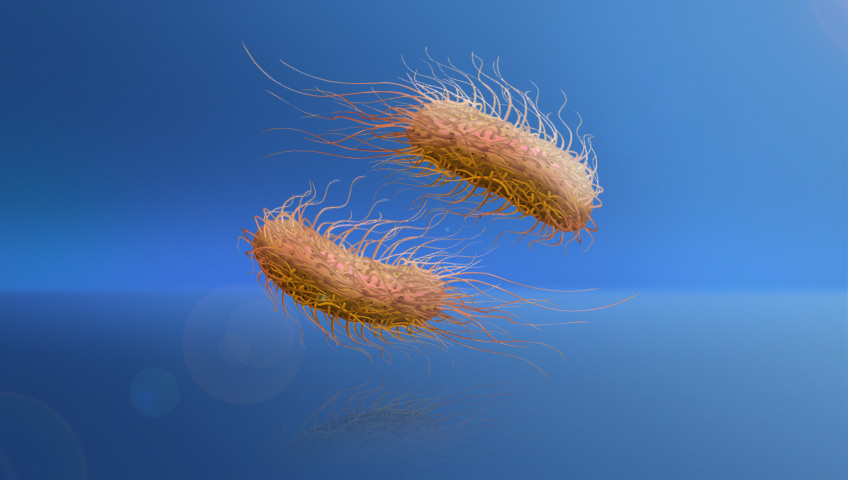
Bacteria are extremely small organisms that appear under a microscope in various shapes such as spherical, spiral, filamentous and so on. They live in water, soil and the bodies of animals and humans and some of them are pathogenic. Salmonella spp. belongs to the family Enterobacteriaceae and the term “enteric” refers to the intestines. Bacteria belonging to this family are commonly found in the intestines of humans and animals. Salmonella was first discovered in 1855 by Professor Theobald Smith, who isolated it from the intestine of a pig. In honor of his supervisor, Daniel Salmon, the bacterium was named Salmonella.
Salmonella bacteria are rod-shaped, Gram-negative, often flagellated and motile. Due to their simple nutritional requirements, they are able to survive for extended periods under a wide range of environmental conditions such as temperature, pH, low water activity (water activity refers to the amount of water available for microbial growth in food) and low oxygen levels. Consequently, they can persist for long periods in water, soil and food. It is believed that Salmonella survives longer in fatty foods such as peanut butter and egg yolk, because fat protects the bacteria against heat and increases their thermal resistance.
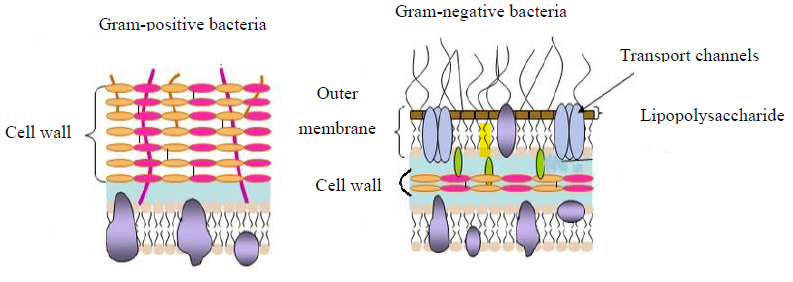
Note 1: Salmonella is classified as Gram-negative because its outer membrane and thin cell wall prevent it from retaining the violet color in Gram staining; therefore, it appears red under the microscope. Gram staining is a method used to classify bacteria and was first introduced by the Danish bacteriologist Hans Christian Gram.
These bacteria are generally pathogenic and are considered one of the most common causes of food poisoning worldwide. Another issue with Salmonella is that contamination of food does not cause any change in appearance, odor, or even taste and it cannot be detected with the naked eye. In addition, its outer membrane protects the bacterium against antibiotics and the excessive use of antibiotics has increased Salmonella resistance. Therefore, it has created significant problems for the food industry and for human health and hygiene in both developing and developed countries.
Salmonella Classification and Routes of Contamination
Salmonella is divided into two categories: typhoidal (such as S. typhi) and non-typhoidal (such as S. enteritidis and S. typhimurium). Typhoidal Salmonella is the causative agent of typhoid and paratyphoid fever, whereas non-typhoidal Salmonella causes gastrointestinal inflammation, bloodstream infections and intra-abdominal abscesses (pus-filled cavities).
According to the World Health Organization (WHO), typhoidal Salmonella (the cause of typhoid fever) causes illness in 11 to 20 million people and results in 128,000 to 161,000 deaths, while non-typhoidal Salmonella causes illness in about 93.8 million people and about 155,000 deaths annually worldwide, with approximately 85% of cases attributed to contaminated food.
How Animals, Plants and Humans Become Contaminated with Salmonella
A. Animals
This bacterium naturally exists in the intestines of animals such as reptiles (snakes, lizards, turtles), amphibians (frogs), birds (chickens, turkeys, geese, ducks, parrots, etc.), domestic livestock (cattle, sheep, etc.), horses, cats and dogs, often without causing any symptoms.
Host animals can carry Salmonella in their gastrointestinal tract and excrete it through feces, thereby contaminating various parts of their bodies (such as scales and feathers) as well as their habitats. Severe contamination in poultry farms can be attributed to poor hygiene, exposure of birds to feces and the presence of infected rodents and wild birds entering the farms.
Animals become infected through consuming contaminated water and food, or possibly from their mothers before birth or during egg laying, or by chicks pecking at the eggshell. Additionally, Salmonella can move from a contaminated eggshell into the egg shortly after laying, when the cuticle (the protective layer on the eggshell that prevents bacterial penetration) is not yet fully formed. Furthermore, as the cuticle deteriorates over time, eggs become increasingly susceptible to bacterial contamination.
B. Plants
Contaminated water, soil and agricultural fertilizers can lead to plant contamination with Salmonella. If the soil is contaminated, rainfall or irrigation can spread the bacteria up to 80 centimeters and contaminate the plant surface. Therefore, plants with greater contact with soil such as lettuce, cucumbers, melons, etc. are more likely to be contaminated. Field-grown crops are more exposed to contamination than greenhouse products due to runoff water from surrounding fields, rainfall and the entry of birds and other animals into the fields.
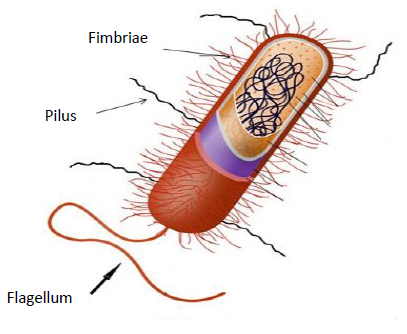
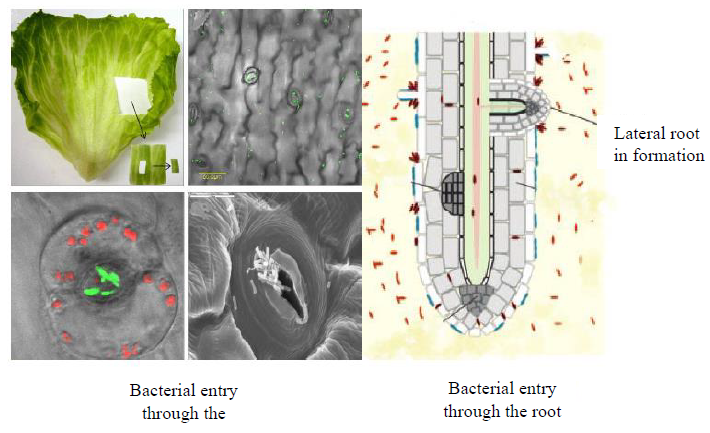
Salmonella uses thin, filamentous protein structures on its surface (fimbriae) to attach to plant surfaces. It can enter through open stomata on leaves or through root hairs and root cracks, reaching deeper tissues and vascular systems, where it can spread to various parts of the plant and multiply.
C. Humans
Salmonella bacteria enter the human body through the consumption of raw or undercooked foods, or food products contaminated during or after processing, such as red meat, poultry, fish, eggs, milk, fruits, fruit juices, vegetables, powdered milk, spices, nuts, peanut butter, chocolate, flour and even ice cream. Infection can also occur through contact with infected animals and through poor personal hygiene. Once inside the body, the bacteria survive and multiply within immune cells in the gastrointestinal tract. They can enter the bloodstream and reach other organs such as the spleen, bone marrow, liver and gallbladder, causing clinical symptoms ranging from gastrointestinal inflammation to death.
Non-typhoidal Salmonella is a zoonotic disease shared between humans and animals; animals are the primary carriers, although human-to-human transmission is also possible. In contrast, typhoidal Salmonella (the causative agents of typhoid and paratyphoid fever) have no non-human carriers and are mainly transmitted from an infected person to another (as in the case of Mary Mallon, whose story you can read about online). Importantly, an infected person can transmit the bacteria to others even after recovery and without showing symptoms. Despite the low oxygen levels in the gastrointestinal tract, the bacteria can survive for months and be transmitted to other individuals.
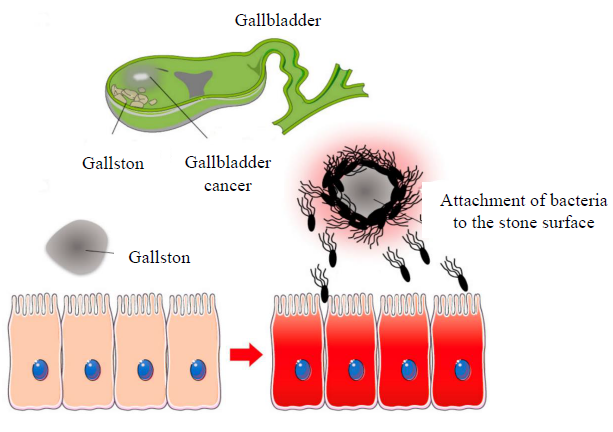
Approximately 3% of people infected with typhoidal Salmonella and 0.1% of those infected with non-typhoidal Salmonella become chronic carriers of the disease and they may shed the bacteria for more than a year. Some Salmonella species tend to colonize the gallbladder and individuals with gallstones may become chronic carriers because bacteria attach to the surface of the stones and are gradually released. Furthermore, these individuals may have a higher risk of developing gallbladder cancer.
Note 2: Chronic carriers are individuals who carry an infectious agent for a long period and can transmit it to others. In the case of chronic Salmonella carriers, these are individuals who continue to shed the bacteria one year after recovery.
Higher Incidence of Salmonella Infection (Salmonellosis) in Summer
Because the optimal temperature for the growth of Salmonella is approximately 37°C, the bacteria multiply more rapidly during warm seasons and their numbers on food increase exponentially. Additionally, Salmonella can grow in waters with high levels of contamination from sewage, fertilizers, animal feces and similar sources. Rising temperatures also increase the population of insect vectors such as cockroaches and flies, which further contributes to the spread of contamination.
Cockroaches, by feeding on contaminated food, accumulate the bacteria in and on various parts of their bodies, especially on their legs. In addition to mechanical transmission (through contact of contaminated legs and bodies with food), Salmonella can survive in cockroaches’ digestive systems for a month or longer and spread contamination through regurgitation and feces. Flies also play a role in spreading contamination through mechanical transmission (landing on contaminated surfaces). Furthermore, increased travel, eating at restaurants, poor hygiene and swimming in waters contaminated with animal feces are other factors that contribute to the spread of this infection during summer.
A. General Symptoms of the Disease
Common symptoms include fever, diarrhea, abdominal cramps and vomiting. These symptoms appear 6 hours to 3 days after infection and usually last 4–7 days. In cases of severe dehydration, symptoms such as dizziness, rapid heartbeat, dark-colored urine and dry lips and mouth may be observed.
B. Rare Diseases That May Be Caused by Salmonella
- Reactive arthritis, which is characterized by swelling of joints such as the knees, ankles and toes.
- Meningitis in children and immunocompromised individuals. Symptoms include chills, neck stiffness, drowsiness, vomiting and more.
C. High-Risk Groups
Children, the elderly and individuals with weakened immune systems (such as those with AIDS, diabetes, cancer, liver diseases, sickle cell anemia, etc.) are among the high-risk groups for infection with this bacterium. Additionally, individuals using antacid or acid-reducing medications provide favorable conditions for bacterial growth because Salmonella cannot grow at a pH below 3.8 and these medications raise stomach pH, promoting bacterial growth.
It should be noted that if the infection enters the bloodstream and affects most organs, it is called sepsis. In pregnant women, the infection can be transmitted through the placenta to the amniotic fluid, potentially causing miscarriage or stillbirth.
Importance of Salmonella in the Food Industry
This bacterium can pose a risk to consumers at any stage of food production, from the farm to the plate. According to research, meat products and ready-to-eat foods, which means foods that are pre-cleaned, pre-cooked and often packaged such as Olivier salad, desserts, cold sandwiches, ice cream, homemade sauces, etc. play an important role in the spread of Salmonella. In the HACCP system (Hazard Analysis and Critical Control Points), Salmonella is considered one of the highest-risk hazards because it causes illness and even death among consumers and controlling it in the food industry is extremely important. Since this bacterium is mainly transmitted through food, it raises concerns about food safety and human health to the extent that, according to standards, the permissible level of Salmonella in food must be negative, meaning that no bacteria should be detected in food products.
Salmonella can contaminate food through raw materials such as meat, poultry and eggs; animal and human feces; agricultural fertilizers; pests such as rodents and insects; inadequate food packaging; transport trucks; factory equipment and tools; and workers’ hands and clothing. Therefore, according to the World Health Organization, the most important method for controlling Salmonella is adherence to hygiene principles.
Notes on Managing Salmonella in the Food Industry
Controlling and managing Salmonella in food factories depends on good manufacturing practices (GMP) combined with comprehensive hygiene principles.
1. Sanitary Design
Surfaces should be designed to be accessible for cleaning. Equipment should be constructed and installed so that there are no right angles and the exterior surfaces of structures should not be perforated by screws or drills. They should have minimal gaps and seams to reduce the risk of contamination remaining. If gaps exist, they should be regularly welded properly (preferably with stainless steel welding) to prevent bacterial accumulation. Equipment should be designed to minimize hand contact with food.
2. Proper Drainage System Design
Wastewater and sewage should be drained in a way that eliminates the risk of residue accumulation. The drainage system should not pass above processing lines and the direction of drainage should not move from contaminated areas to clean areas.
3. Disinfection Corridors
Employees are one of the most important vectors for spreading contamination. Requiring staff to pass through disinfection systems and using sensor-operated doors that minimize hand contact can be effective in controlling contamination.
4. Misting
Note that using high-pressure cleaning sprays can disperse Salmonella; therefore, low-pressure misting is preferred for disinfection.
5. Alternating Disinfectants
To prevent Salmonella resistance and bacterial buildup, disinfectants should be alternated. For example, if an acidic disinfectant is used, it should be followed by an alkaline one and vice versa.
6. Staff Training
Personnel should be aware of Salmonella transmission routes and hygiene practices to control this bacterium. Washing and disinfecting hands, changing shoes and work clothes and passing through disinfection chambers before entering the food production area can be effective. Since people may appear healthy but still be carriers of the bacterium, stool culture testing in diagnostic laboratories is mandatory for food workers.
7. Environmental Testing
Conduct environmental testing for Salmonella contamination using swab tests and transferring samples to appropriate culture media to assess surface contamination levels.
8. Control of Insects and Rodents
Insects and rodents, which carry Salmonella, should be controlled to prevent environmental contamination.
9. Preventing Secondary or Cross-Contamination
Food preparation, storage and transportation should be carried out under conditions that prevent secondary or cross-contamination. Secondary contamination leads to the transfer and spread of contamination from contaminated to uncontaminated areas.
Salmonella Control at Home
To prevent the spread of contamination and the occurrence of Salmonella infection at home, the following four steps should be followed:
1. Cleaning
- Wash your hands with warm water and soap before and after cooking, after touching raw foods such as meat, poultry, eggs, etc., after using the toilet and after touching animals.
- Wash kitchen utensils and cutting boards with warm water and detergent after contact with raw foods, especially meat, poultry, fish and eggs. Even drops of blood or juice from poultry and meat can contaminate kitchen surfaces and the refrigerator.
- Disinfect surfaces and kitchen utensils that come into contact with food using a freshly prepared disinfectant solution consisting of one tablespoon of sodium hypochlorite (bleach) in approximately 4 liters of water. After disinfecting knives and cutting boards, rinse them thoroughly to prevent corrosion over time and to avoid chlorine residues, which can be carcinogenic.
- Wash raw vegetables and fruits before consumption and if possible, peel fruits. For vegetables such as lettuce, remove the outer leaves.
2. Separation
- Since food can become contaminated even after cooking, separating cooked foods from raw foods, refrigerating them promptly and reheating them before consumption can help reduce bacterial intake.
- If using cutting boards, use separate boards for raw and cooked foods, because over time scratches on the boards can become sources of Salmonella contamination.
- Never place cooked food in a container that previously held raw food unless it has been thoroughly washed.
3. Cooking
- Cook meat, poultry and eggs thoroughly and consume pasteurized milk, as cooking and pasteurization usually eliminate the bacteria. However, some Salmonella strains, such as Salmonella enterica serovar Senftenberg, are about 10 to 20 times more heat-resistant than other strains, although they are rare. In some cases, Salmonella enterica serovar Senftenberg has been detected in egg products even after pasteurization.
Required Cooking Temperatures:
- Beef, lamb and fish: approximately 63°C (145°F)
- Ground beef, lamb and eggs: approximately 71°C (160°F)
- Chicken, turkey, duck and their ground meat: approximately 74°C (165°F)
Note: During the slaughtering process of livestock and poultry, intestinal contents may contaminate the meat surface. During grinding, surface and internal meat mix together and failure to clean meat grinders properly increases the contamination of larger portions of meat; therefore, higher cooking temperatures are required for ground meat.
- Chicken nuggets: approximately 74°C (165°F). These products typically consist of ground chicken breast coated in breadcrumbs and must be fully cooked before consumption. According to the Centers for Disease Control and Prevention (CDC), 17 people became ill after consuming raw or undercooked nuggets, of whom 8 were hospitalized.
4. Refrigeration
- Set the refrigerator temperature to 4°C or lower.
- Never leave perishable foods such as red meat and poultry outside the refrigerator for more than two hours.
- Foods kept at temperatures above 32°C (for example, in a hot car) can remain outside the refrigerator for only one hour.
- For long-term storage, refrigerator temperature is not sufficient; it is better to store meat in a freezer at −18°C.